
Inflammation is a word that gets used a lot when it comes to gastrointestinal disorders - or digestive issues, and if you suffer from irritable bowel syndrome (IBS) this may some up a lot. But it is really important to know what it means and not to get it confused with Inflammatory Bowel Disease (IBD)
Irritable Bowel Syndrome (IBS) and Inflammatory Bowel Disease (IBD) are distinct gastrointestinal conditions with similar symptoms (pain, diarrhoea) but different causes and treatments. Let's break it down:
Inflammatory Bowel Disease (IBD) & Irritable Bowel Syndrome (IBS) Key Differences:
-
Inflammation: IBD causes visible inflammation and tissue damage; IBS does not.
-
Cause: IBD is an autoimmune response (Crohn’s, Ulcerative Colitis); IBS is likely due to brain-gut interaction issues.
-
Severity/Complications: IBD can cause weight loss, anemia, fever, and require surgery. IBD can also increase the risk of colon cancer, IBS does not increase cancer risk.
-
Treatment: IBD requires immunosuppressants or steroids; IBS focuses on symptom management (diet, stress, medication).
So when people talk about inflammation in the context of IBS, they are usually referring to microscopic, low-grade, or subclinical inflammation - meaning "hidden," "mild," or "behind-the-scenes" irritation of the gut lining. Unlike Inflammatory Bowel Disease (IBD), where the damage is obvious, low-grade inflammation does not cause visible ulcers or tissue damage on a colonoscopy or standard medical tests.
Inflammation In IBS
Now we've cleared up the differences of IBS and IBD we can focus on what low-grade inflammation can look like for IBS sufferers. Symptoms like:
-
Bloating
-
Stomach
-
Irregular bowel habits
-
feeling worse after certain foods
-
Symptoms like diarrhoea during stress
Diet, lifestyle and the gut/brain axis all play a part when it comes to IBS, so unlike IBD, you can manage these symptoms by making small changes to your lifestyle.
Foods That Support IBS Symptoms
Oily fish / omega-3 rich foods
Omega 3 fatty acids are our best friend! They help reduce gut inflammation (low-grade) and unlike fatty processed meats that trigger IBS symptoms, omega 3, found in sardines and salmon, are well-tolerated by the gut and help support a healthy gut microbiome. Pass the pilchards!
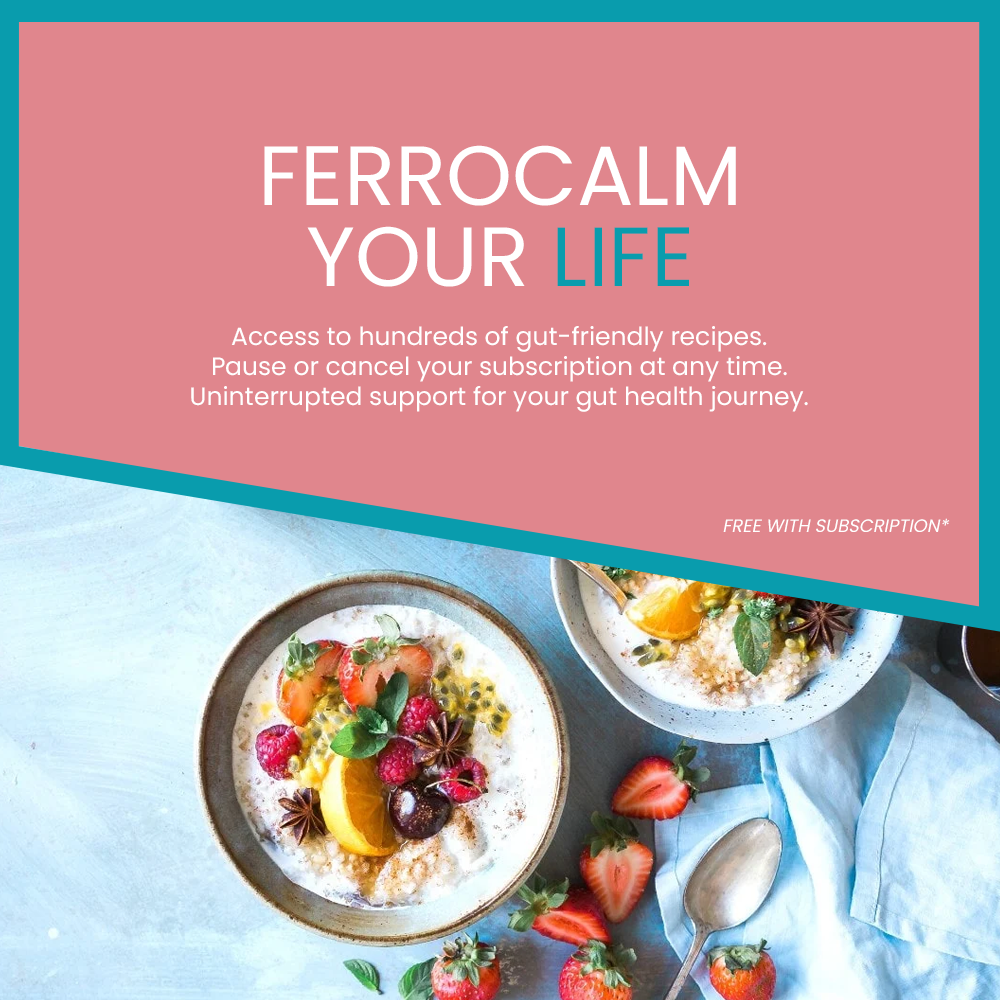
Berries
Strawberries, blueberries, and raspberries - aka the BEST berries, are so much easier on the digestive system - especially for those with IBS as they are low in FODMAPS. FODMAP is an acronym for a certain type of carbohydrates, called fermentable short-chain carbohydrates, which are more difficult for people to digest. (The full acronym stands for Fermentable Oligosaccharides, Disaccharides, Monosaccharides and Polyols - Phew!)
But these super berries provide essential vitamins and fibre without triggering symptoms like bloating or gas when eaten in moderation.
Leafy Greens
Spinach, kale, rocket and all types of lettuce can stay firmly on the menu. Low in FODMAPS, and high in vitamins and minerals, leafy greens reduce bloating and gas (low-grade inflammation) and are less likely to "ferment" in your gut - which can lead to cramping.
Ginger
This super root is an antispasmodic - in other words, it relieves painful muscle spasms, cramps, and bloating in the stomach and intestines by relaxing the smooth muscles of the digestive tract. Getting more ginger into your diet could be very beneficial, so if you'd like to take a higher dose of ginger, you can take it as a supplement. Another great way to do it is just to grate some fresh ginger into a cup of tea or a cup of warm water and drink it, you'll get a more gentle lower dose using fresh ginger.
Unfortunately ginger biscuits probably don't have the same effect. Sorry about that.
Foods & Habits That May Make Symptoms Worse
Highly Processed Foods
Highly processed, refined foods lack the fiber necessary for a healthy, balanced gut microbiome, often causing constipation and irregular digestion. Many also contain additives, emulsifiers and artificial sweeteners which disrupt the gut microbiota and can lead to bloating and diarrhoea.
Excess Alcohol
Alcohol can disrupt things like gut motility - the movement of the gut, meaning it can speed up time in the colon, causing diarrhoea. On the other hand, it can also cause dehydration which can slow digestion down causing constipation. If tee total doens't sound very fun then we can suggest some options that are generally better tolerated. Dry white or red wine rather than sweet, or clear spirits like vodka or gin (when mixed with soda water rather than sugary mixers) tend to tolerated better than beer, rum and dark spirits.
Skipping Meals
Skipping meals is really not a good idea when you have IBS because it disrupts the digestive rhythm, causing unpredictable motility (speeding up or slowing down), worsening bloating, and increasing abdominal pain. We've said it before and we'll say it again: consistency is key when it comes to your gut! Even if you don't feel hungry, eating small meals often is better than skipping.
Poor Sleep
Not getting enough sleep or having a irregular sleep pattern can heighten stress levels and anxiety - key triggers for IBS. Poor sleep also increases low-grade, pro-inflammatory chemicals throughout the body and specifically in the gut.
Lifestyle Habits That Can Help Reduce Flare-Ups
Regular Meals
All together now: "CONSISTENCY IS KEY!" Regular smaller meals (3 meals + snacks) reduce digestive burden, regulate gut movement and generally keep your gut calm. Also eating at similar times each day and take the pressure of your already sensitive digestive system.
Hydration
Think of water as you would oil in a car - it keeps everything lubricated and running smoothly. Stick to non-fizzy, caffeine free fluids if possible - herbal teas and diluted no-added sugar squash are also good options. Staying hydrated when you have IBS softens stools for those with constipation predominant IBS and also replenishes any lost liquids for those who suffer with IBS-D (diarrhoea predominant)
How Ferrocalm May Help Support Your IBS Gut
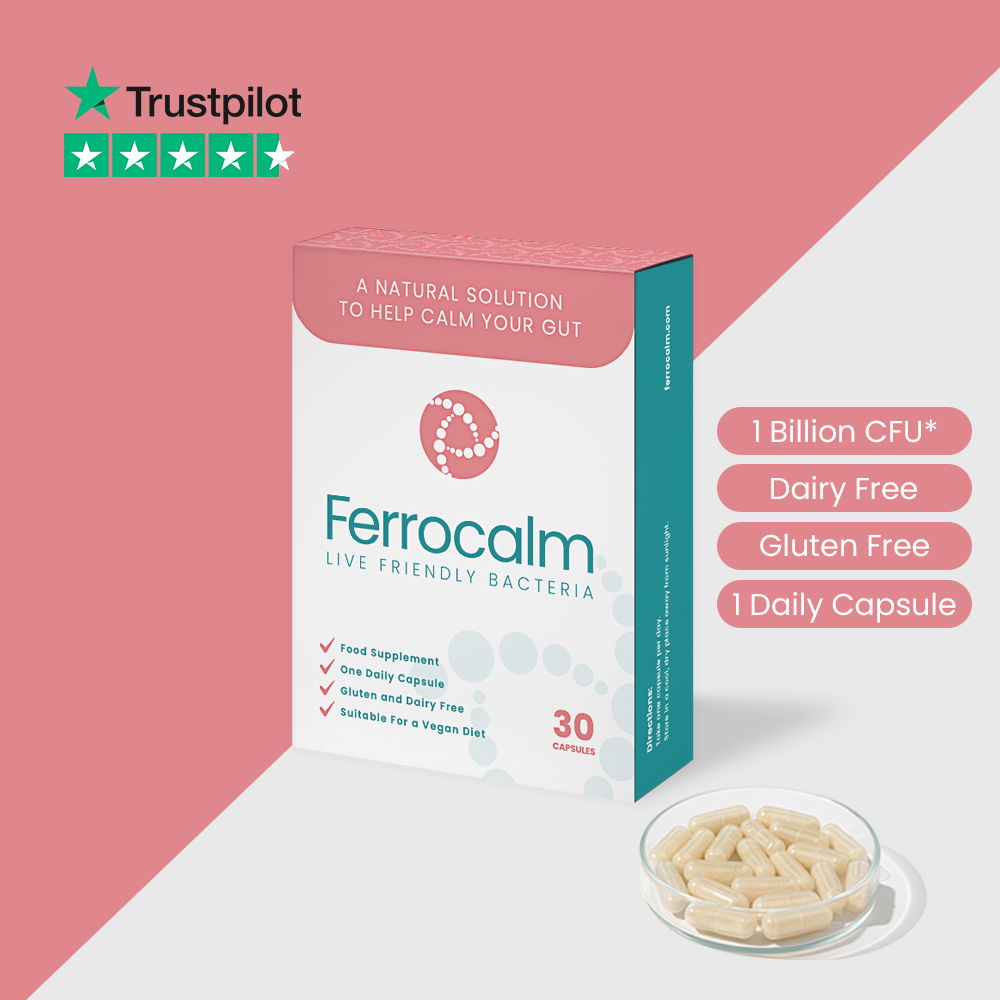
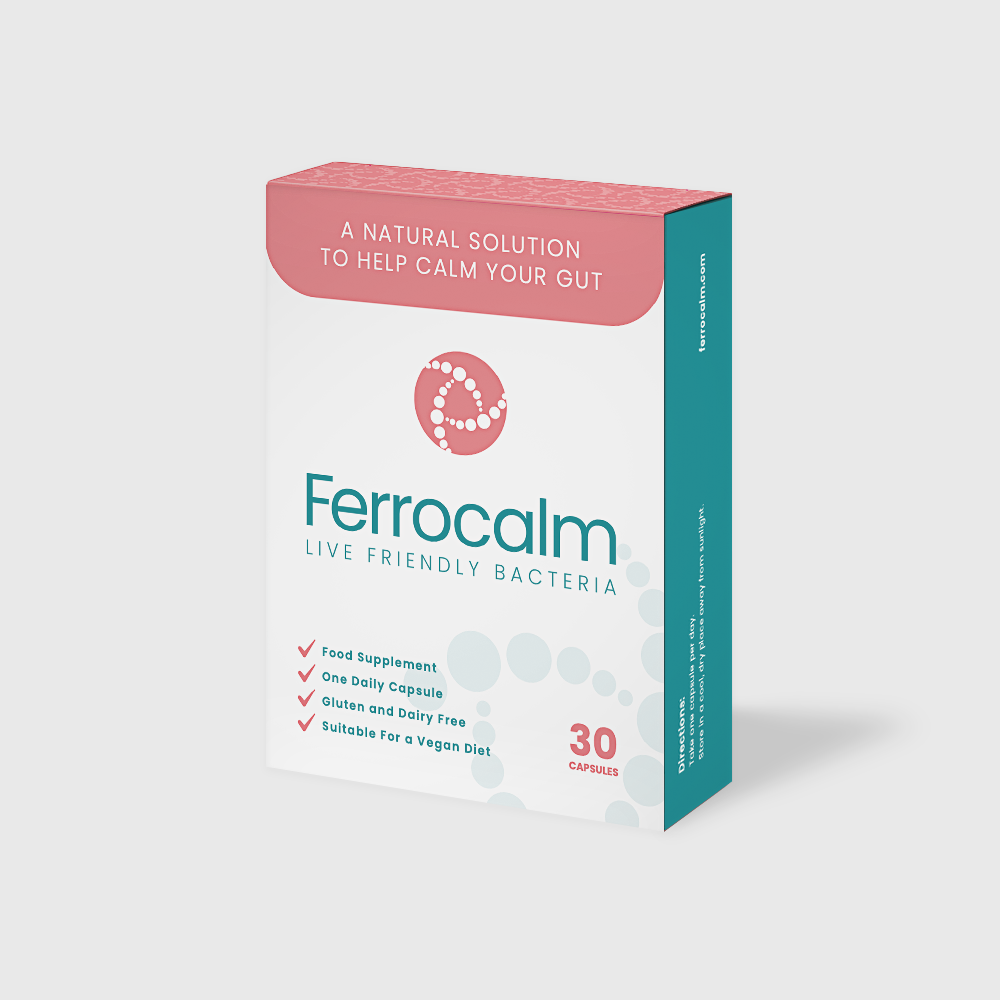
No probiotic can claim to cure IBS and we’re not here to sell false hope. But Ferrocalm can significantly reduce symptoms during flare-ups, helping you feel more in control and less limited by your gut. When taken consistently, alongside the tips and advice above, our customers have started noticing improvements within a few days.
It's not about having "the perfect anti-inflammation" lifestyle, but if you start with small changes and are consistent - we are confident you can take back control.