
If it feels like your IBS symptoms get worse whenever life gets stressful, you're not imagining it.
Whether it's work pressure, family worries, poor sleep, travelling, or simply having too much on your plate, stress can have a surprisingly powerful effect on your gut.
Right now, cortisol is one of the biggest wellness buzzwords on social media. But what does it actually mean for people living with IBS?
We asked Dr Jenny Bailey Cooper, gut immunologist and founder of Ferrocalm, to explain what's really happening inside the body when stress levels rise.
Stress and your gut are constantly talking to each other
Your gut and brain are connected through what scientists call the gut-brain axis.
"When we're stressed, the body activates its stress response system, known as the HPA axis," explains Dr Jenny.
"This increases cortisol and other stress hormones, which directly affect how the gut functions."
In small doses, this response is completely normal. The problem comes when stress becomes constant.
Over time, ongoing stress can start disrupting digestion, the gut microbiome and even the gut lining itself.
How stress can trigger IBS symptoms
-
It can make the gut lining more 'leaky'
The cells lining your gut form a protective barrier.
Think of them like tightly fitted bricks holding everything in place.
Cortisol can weaken the connections between these cells, allowing unwanted substances to pass through more easily.
This may trigger inflammation and increase gut sensitivity.
-
It can disrupt your gut microbiome
Your gut contains trillions of bacteria that help support digestion and overall health.
Under prolonged stress, beneficial bacteria often decrease while less helpful bacteria can start to thrive.
This imbalance is known as dysbiosis and is commonly linked with symptoms such as bloating, abdominal discomfort and changes in bowel habits.
-
It can speed up or slow down digestion
Ever noticed you run to the toilet more when you're anxious?
Or perhaps everything seems to grind to a halt when you're stressed?
That's because cortisol can alter gut motility — the speed at which food moves through the digestive system.
For some people this results in diarrhoea. For others, constipation.
-
It makes digestion less efficient
When the body enters "fight or flight" mode, digestion is no longer the priority.
Production of stomach acid and digestive enzymes can reduce, making it harder to break down food properly.
This may contribute to indigestion, bloating and discomfort after meals.
-
It can make your gut more sensitive
Stress doesn't just affect what's happening in your gut.
It also affects how your brain interprets signals coming from it.
This means sensations that would normally go unnoticed can feel much more intense, leading to increased pain, bloating and discomfort.
The surprising role iron plays during stress
One area that receives much less attention is how stress changes the way the body handles iron.
"When the body is under stress or inflammation, it deliberately alters iron metabolism as a protective mechanism," says Dr Jenny.
A hormone called hepcidin reduces iron absorption from food.
As a result, more iron remains trapped inside cells lining the gut.
When these cells naturally shed, the iron is released into the gut itself.
The result?
Higher levels of iron passing through the digestive tract.
Why too much free iron can be a problem
Not all bacteria use iron in the same way.
Many beneficial gut bacteria are adapted to low-iron environments and don't rely heavily on it.
However, some less helpful bacteria are extremely efficient at using freely available iron to grow rapidly.
"When stress increases the amount of iron present in the gut, it can unintentionally give certain bacteria a growth advantage," explains Dr Jenny.
As these bacteria expand, they can crowd out beneficial microbes and produce compounds that contribute to:
- Bloating
- Excess gas
- Urgency
- Diarrhoea
- Constipation
- Increased gut irritation
In other words, stress isn't only affecting your gut through hormones and nerves.
It's also changing the environment inside the gut itself.
Why some probiotics struggle during IBS flare-ups
Many people turn to probiotics when symptoms flare.
The challenge is that stressful periods often create some of the toughest conditions for probiotics to survive.
During an IBS flare-up, the gut can become more inflamed, iron levels can increase, and certain bacteria may start competing aggressively for space and nutrients.
This is often when people say:
"My probiotic used to help, but it seems to stop working when I need it most."
What makes Ferrocalm different?
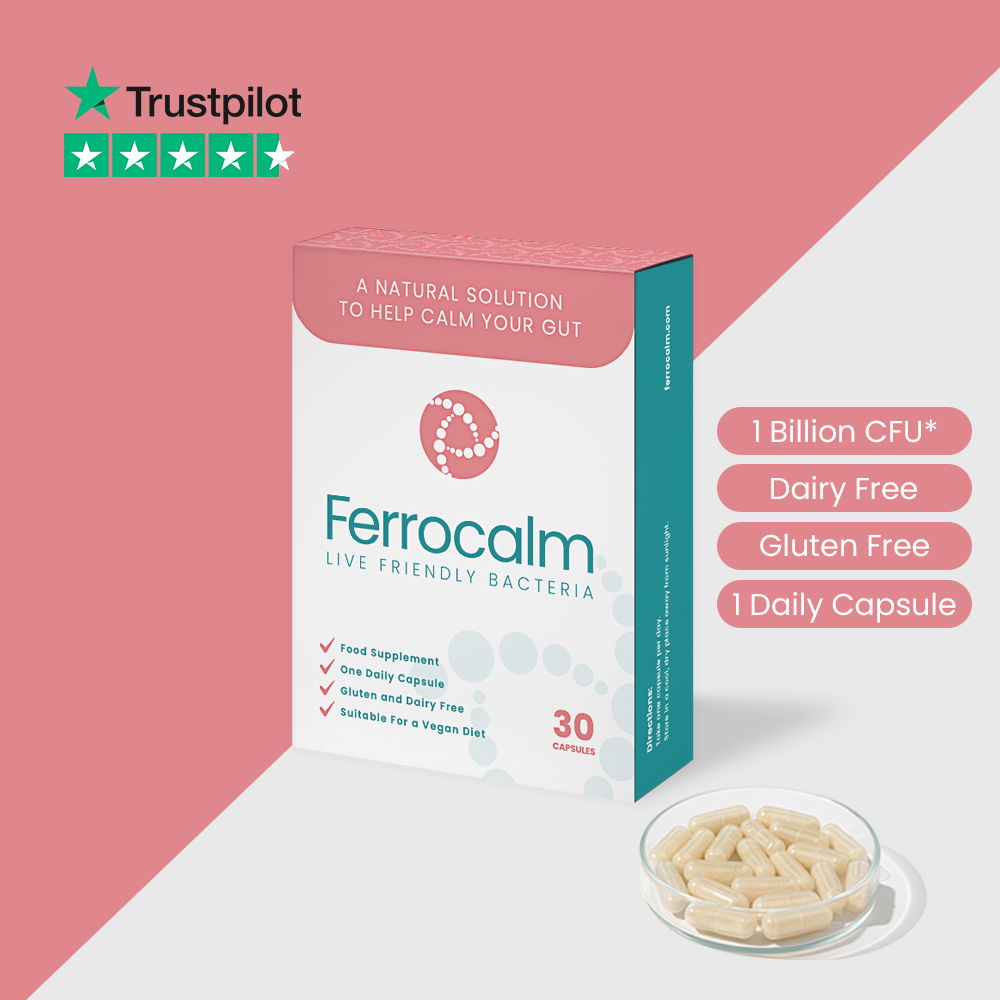
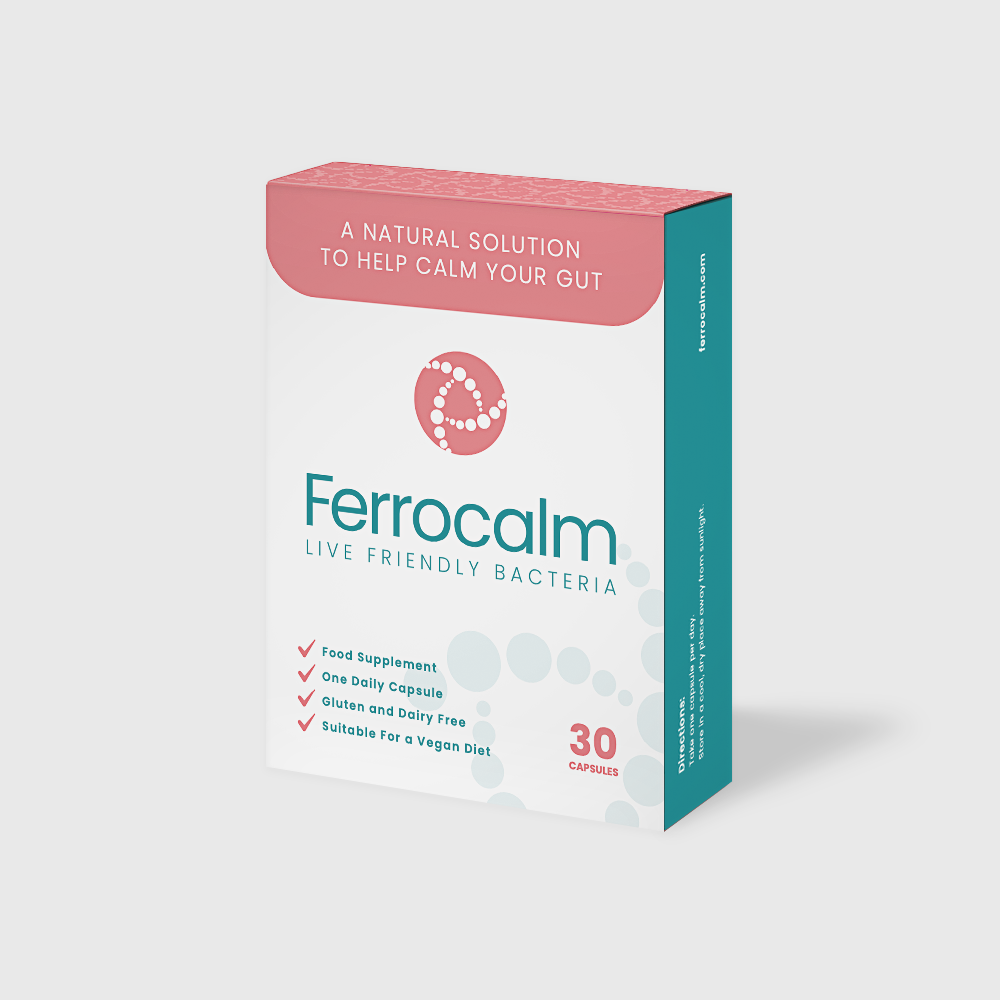
Ferrocalm contains FX856, a unique strain of *Streptococcus thermophilus* developed specifically to remain active under stressful gut conditions.
"FX856 was selected because it continues functioning during inflammation and higher iron levels, where many conventional probiotics struggle," says Dr Jenny.
Rather than only working when the gut is already calm, FX856 is designed to remain metabolically active during the conditions many people with IBS experience most often.
## The simplest routine for a stress-sensitive gut
If stress regularly triggers your symptoms, Dr Jenny recommends focusing on consistency rather than perfection.
Simple habits can make a significant difference:
- Eat regular meals
- Avoid skipping meals
- Prioritise sleep where possible
- Move your body daily, even with a gentle walk
- Choose familiar foods during stressful periods
- Avoid making too many dietary changes at once
"During stressful times, consistency is often more important than chasing the perfect diet," says Dr Jenny.
"The gut tends to respond best when we give it routine and predictability."
The bottom line
Stress affects far more than your mood.
It can alter gut bacteria, weaken the gut barrier, change digestion, increase sensitivity and even affect the way iron behaves inside the digestive system.
That's why periods of stress often feel like the perfect storm for IBS symptoms.
While managing stress itself is important, understanding what's happening inside the gut can help explain why symptoms flare and why some forms of support may work better than others during those difficult periods.
Because when life gets stressful, your gut feels it too.