
Living with Irritable Bowel Syndrome (IBS) can be challenging, especially when you follow a vegan diet. You may wonder if a plant-based diet is good for IBS and how to manage your symptoms while sticking to your ethical food choices. The good news is that with the right approach, you can effectively combine a vegan lifestyle with IBS management.
In this article, we'll explore 21 practical tips for following a vegan IBS diet. You'll learn about low FODMAP foods, meal planning strategies, and lifestyle changes that can help ease your digestive discomfort. From choosing the right plant-based proteins to experimenting with fibre intake, these tips will guide you towards better gut health while maintaining your vegan values. 1. Choose low FODMAP plant-based proteins Selecting low FODMAP plant-based proteins is crucial for managing IBS symptoms on a vegan diet. These proteins offer numerous benefits, including improved digestion and reduced bloating. Some excellent options for vegans include firm tofu, tempeh, and canned lentils in small portions. Firm tofu, for instance, provides 27g of protein per 170g serving. Tempeh offers 19g of protein per 100g. To meet your daily protein needs, aim for 0.9g per kg of body weight. Incorporate these proteins into meals like tofu scrambles, tempeh stir-fries, or lentil soups for a satisfying and gut-friendly vegan IBS diet. Benefits of low FODMAP proteins Low FODMAP plant-based proteins offer several advantages for those following a vegan IBS diet. They help reduce digestive discomfort while ensuring adequate protein intake. These proteins are easier to digest, making them suitable for sensitive stomachs. By choosing low FODMAP options, you can maintain your vegan lifestyle while managing IBS symptoms effectively. Additionally, these proteins provide essential amino acids and nutrients necessary for overall health and well-being. Best low FODMAP protein sources for vegans For vegans with IBS, several low FODMAP protein sources are available. Firm tofu is an excellent choice, providing 27g of protein per 170g serving. Tempeh offers 19g of protein per 100g. Canned lentils, in small portions, can be included, with a ¼ cup serving containing about 4g of protein. Other options include low FODMAP nuts and seeds, quinoa (8g protein per cup), and soy protein milk (8g protein per 250ml). These sources help vegans meet their protein needs while adhering to a low FODMAP diet. Protein-rich meal ideas Creating protein-rich meals on a vegan IBS diet is achievable with some planning. Try a tofu scramble with low FODMAP vegetables for breakfast. For lunch, prepare a quinoa salad with roasted vegetables and a sprinkle of pumpkin seeds. Dinner could feature a tempeh stir-fry with bell peppers and carrots. Snack on rice cakes with peanut butter or a small portion of roasted nuts. Remember to include a variety of low FODMAP plant-based proteins throughout the day to meet your nutritional needs and manage IBS symptoms effectively. 2. Experiment with different plant milks Exploring various plant milks is crucial for managing IBS symptoms on a vegan diet. Low FODMAP options include almond milk, soy milk made from soy protein, and rice milk. Almond milk is low FODMAP in 250ml servings, while soy milk made from soy protein offers similar protein and calcium levels to lactose-free cow's milk. When choosing plant milk, look for options with 120mg of calcium and 3g of protein per 100ml serving. Incorporate these milks into your diet by using them in smoothies, cereals, or as a base for sauces. Remember to check labels for added high FODMAP ingredients like inulin or agave syrup. 3. Focus on low FODMAP fruits Incorporating low FODMAP fruits into your vegan IBS diet can help manage symptoms while providing essential nutrients. Some suitable options include bananas (firm/green), blueberries, cantaloupe/honeydew melon, grapes, kiwi fruit, oranges, and strawberries. When following a low FODMAP diet, aim for two servings of fruit per day, leaving a three-hour gap between servings to reduce FODMAP stacking. A serving is typically around 80g, so portion control is crucial. Try adding fruits to your breakfast cereal, mixing them with lactose-free yoghurt, or tossing them in salads for creative ways to include them in your meals. List of low FODMAP fruits
- Low FODMAP fruits that are safe to enjoy on a vegan IBS diet include:
- Bananas (firm/green)
- Blueberries
- Cantaloupe/honeydew melon
- Grapes
- Kiwi fruit
- Lemons and limes
- Oranges
- Pineapple
- Raspberries
- Strawberries
These fruits are less likely to cause digestive discomfort for those with IBS. Portion sizes to consider When incorporating low FODMAP fruits into your vegan IBS diet, it's essential to be mindful of portion sizes. Here are some guidelines:
- Blueberries: up to 120g
- Raspberries: up to 60g
- Strawberries: up to 60g
- Cantaloupe/Honeydew melon: up to 90g
Remember that a typical fruit portion is around 80g. Aim for 2-3 portions of fruits per day to maintain a balanced diet while managing IBS symptoms. Creative ways to include fruits in your diet To make your vegan IBS diet more enjoyable, try these creative ways to include low FODMAP fruits:
- Add berries to your morning oatmeal or cereal
- Make a fruit salad with a mix of low FODMAP options
- Blend fruits into smoothies using plant-based milk alternatives
- Use citrus fruits to add flavour to salad dressings
- Freeze grapes for a refreshing snack
By incorporating these ideas, you can enjoy a variety of fruits while adhering to your vegan IBS diet. 4. Incorporate low FODMAP vegetables Incorporating low FODMAP vegetables into your vegan IBS diet is crucial for managing symptoms while maintaining a balanced nutrition. Some excellent options include potatoes, carrots, green beans, and bok choy. These vegetables are not only low in FODMAPs but also rich in essential nutrients. For instance, potatoes are versatile and well-tolerated, while green beans are high in dietary fibre. Carrots provide beta-carotene, and bok choy offers vitamins A, C, and K. When planning meals, aim for at least two 80g portions of vegetables per day to support your gut health and overall well-being. Best low FODMAP vegetables for IBS When following a vegan IBS diet, focus on these low FODMAP vegetables:
- Carrots
- Green beans (up to 120g per meal)
- Bok choy
- Spinach
- Bean sprouts
- Cucumber
- Courgette
- Kale
- Swiss chard
These options provide variety and essential nutrients without triggering IBS symptoms. Cooking methods to reduce IBS symptoms To minimise IBS symptoms, consider these cooking methods:
- Steaming: Preserves nutrients and makes vegetables easier to digest
- Roasting: Enhances flavour without adding irritating ingredients
- Sautéing: Use garlic-infused oil for flavour without FODMAPs
- Blending: Create smooth soups or sauces for easier digestion
Avoid using garlic and onion, as they can trigger symptoms. Instead, add slices of fresh garlic to oils and leave to infuse (see recipe below) - this way you get the flavour, without the the discomfort you may get from a whole garlic clove. Vegetable-based meal ideas Try these vegetable-based meal ideas for your vegan IBS diet:
- Stir-fry with bok choy, carrots, and bean sprouts
- Roasted potato and green bean salad
- Zucchini noodles with low FODMAP pasta sauce
- Spinach and carrot smoothie
- Vegetable soup with low FODMAP vegetables
Remember to incorporate a variety of colours and textures to make your meals more appealing and nutritious. 5. Opt for gluten-free grains When following a vegan IBS diet, choosing gluten-free grains can help manage symptoms. Low FODMAP options include rice, quinoa, oats, and buckwheat. These grains provide essential nutrients and can be easily incorporated into meals. For example, you can use rice noodles in stir-fries or make quinoa porridge for breakfast. Gluten-free grains offer benefits such as improved digestion and reduced bloating. To add variety to your diet, try amaranth, millet, or sorghum flour in baking. Remember to check serving sizes, as some grains like oats are low FODMAP only in specific amounts. Low FODMAP gluten-free grain options
- Gluten-free grains suitable for a vegan IBS diet include:
- Rice (white, brown, long-grain)
- Quinoa (red, white, multi-colored)
- Oats (rolled, steel-cut, instant)
- Buckwheat
- Millet
- Amaranth
- Sorghum
- Corn (polenta, popcorn)
- Teff
These options provide variety and essential nutrients while helping to manage IBS symptoms. Experiment with different grains to find your favourites and incorporate them into your meals. Benefits of gluten-free grains for IBS Choosing gluten-free grains as part of a vegan IBS diet can offer several benefits:
- Improved digestion: Gluten-free grains are often easier to digest, reducing discomfort for those with IBS.
- Reduced bloating: Many people experience less bloating when avoiding gluten-containing grains.
- Increased nutrient intake: Gluten-free grains like quinoa and amaranth are rich in essential nutrients.
- Versatility: These grains can be used in various dishes, from breakfast porridge to dinner side dishes.
- Fibre content: Many gluten-free grains provide fibre, which can help regulate bowel movements.
By incorporating these grains into your vegan IBS diet, you may experience improved gut health and overall well-being. Delicious gluten-free recipes Try these tasty gluten-free recipes to incorporate more low FODMAP grains into your vegan IBS diet: Quinoa Salad with Cranberries and Almonds: Combine cooked quinoa with dried cranberries, sliced almonds, and a light vinaigrette for a refreshing meal. Rice Noodle Stir-Fry: Use rice noodles as a base for a vegetable stir-fry with low FODMAP veggies and tofu. Oatmeal with Berries: Make a comforting breakfast by cooking oats with plant-based milk and topping with fresh berries. Polenta with Roasted Vegetables: Serve creamy polenta with a mix of roasted low FODMAP vegetables for a hearty dinner. Buckwheat Pancakes: Create a stack of fluffy pancakes using buckwheat flour and top with maple syrup and sliced bananas. These recipes showcase the versatility of gluten-free grains and can help you maintain a balanced vegan IBS diet while enjoying delicious meals. 6. Use garlic and onion-infused oils Garlic and onion-infused oils are essential for adding flavour to your vegan IBS diet without triggering symptoms. These oils are low FODMAP because the fructans in garlic and onion are water-soluble, not oil-soluble. To make infused oils, gently heat oil with whole garlic cloves or onion pieces, then strain out the solids. Use within 3-4 days or freeze for longer storage. These oils offer the benefits of garlic and onion flavours without digestive discomfort. Try them in salad dressings, marinades, or as a finishing touch for roasted vegetables. Remember to use moderation, as a little goes a long way in enhancing your plant-based meals. How to make infused oils To make garlic or onion infused oil:
- Heat 2 cups of oil (olive or vegetable) until warm.
- Add 6 large garlic cloves or 1 quartered onion.
- Remove from heat and let sit for 2 hours.
- Strain thoroughly, removing all solid pieces.
- Store in a sterilised jar in the refrigerator for up to 3 days.
For stronger flavour, halve the garlic cloves or roughly chop the onion. You can also freeze the oil in ice cube trays for longer storage. Benefits of infused oils for flavour Infused oils offer several benefits for those following a vegan IBS diet:
- Add garlic and onion flavour without FODMAPs
- Versatile for various cuisines
- Enhance dishes without triggering symptoms
- Provide a convenient flavour boost
- Allow for customisation of flavour intensity
These oils help maintain the taste you love in your plant-based meals while keeping your gut happy. Recipes using infused oils Try these simple recipes using garlic or onion infused oils:
- Low FODMAP Pesto: Blend garlic-infused oil with basil, pine nuts, and vegan cheese alternative.
- Roasted Vegetables: Toss your favourite low FODMAP veggies with onion-infused oil before roasting.
- Salad Dressing: Mix garlic-infused oil with lemon juice and herbs for a zesty vinaigrette.
- Stir-Fry Base: Use onion-infused oil as the cooking base for a flavorful vegetable stir-fry.
These recipes showcase how infused oils can elevate your vegan IBS-friendly meals with delicious, familiar flavours. 7. Include fermented foods Incorporating fermented foods into your vegan IBS diet can be beneficial for gut health. Low FODMAP options include sauerkraut, kimchi, and tempeh. These foods contain probiotics that may improve digestion and boost immunity. A 2018 study found that sauerkraut consumption led to a significant reduction in IBS severity scores after six weeks. When introducing fermented foods, start with small servings and gradually increase. For example, try adding two tablespoons of sauerkraut to your salad or sandwich. Remember to choose products without additives and preservatives. Consulting a registered dietitian can help you tailor fermented food intake to your specific needs and symptoms. 8. Stay hydrated with IBS-friendly drinks Staying hydrated is crucial for managing IBS symptoms, especially if you follow a vegan diet. Water is always the best choice, as it's essential for optimal digestion and can help with chronic constipation or diarrhoea. For variety, try herbal teas like peppermint, which has antispasmodic qualities. Low FODMAP plant-based milk alternatives such as almond, rice, or lactose-free options can be good choices. When it comes to fruit juices, opt for low FODMAP options like cranberry juice without high fructose corn syrup. Remember to avoid carbonated beverages and limit caffeine intake, as these can worsen IBS symptoms. Best beverages for IBS When managing IBS on a vegan diet, choosing the right beverages is essential. Water should be your go-to drink, aiming for 6 to 12 cups per day. Herbal teas like chamomile and peppermint are soothing options. Plant-based milk alternatives such as almond, rice, or hemp milk (fortified with vitamins D, calcium, and B12) are excellent choices. For a probiotic boost, try kombucha or coconut kefir in moderation. Green smoothies made with low FODMAP fruits and vegetables can be nutritious and gut-friendly. Remember to keep portions small and listen to your body's response to different drinks. Drinks to avoid For those following a vegan IBS diet, certain drinks can trigger symptoms and should be avoided. Carbonated beverages, including sodas and sparkling water, can worsen gas and bloating. Caffeinated drinks like coffee and some teas may exacerbate digestive issues. Alcohol, particularly sweet wines and ciders, can be problematic for IBS sufferers. Fruit juices high in fructose, such as apple, pear, and mango juices, should be limited. Be cautious with sugar-free drinks containing artificial sweeteners, especially those ending in "-ol" like sorbitol and xylitol, as they can trigger IBS symptoms. Hydration tips for vegans with IBS Staying hydrated on a vegan IBS diet requires some planning. Keep a reusable water bottle with you throughout the day to encourage regular sipping. If plain water becomes boring, try adding a slice of lemon for flavour and digestive benefits. When consuming plant-based milk alternatives, choose fortified options to ensure adequate nutrient intake. For smoothies, use low FODMAP fruits and vegetables, and limit portion sizes to avoid triggering symptoms. If you enjoy fermented drinks, opt for those with live cultures and low sugar content. Remember to drink extra water if you're experiencing diarrhoea to prevent dehydration. 9. Practise portion control Portion control is crucial for managing IBS symptoms on a vegan diet. Overeating can trigger digestive discomfort, so it's important to be mindful of serving sizes. Aim for regular meals at consistent times each day to support your gut's natural rhythm. Fill half your plate with low FODMAP vegetables like carrots, tomatoes, and zucchini. Include a quarter plate of protein sources such as firm tofu or well-rinsed canned chickpeas, and the remaining quarter with carbohydrates like brown rice or quinoa. This balanced approach helps you feel satisfied while minimising IBS symptoms. Remember to eat slowly and chew your food thoroughly to aid digestion. Importance of portion sizes in IBS management Proper portion sizes play a vital role in managing IBS symptoms for those following a vegan diet. Consuming large meals can overwhelm your digestive system, leading to increased discomfort. Instead, focus on eating smaller, more frequent meals throughout the day. This approach helps regulate digestion and reduces the likelihood of triggering IBS symptoms. When it comes to fruits and vegetables, aim for 3-5 servings of vegetables and 2-3 servings of fruits per day. Remember that one serving of fresh fruit is typically 80g, while a serving of vegetables is also 80g (about 2-3 tablespoons). Tips for proper portioning To ensure proper portioning on your vegan IBS diet, consider these helpful tips:
- Use smaller plates to naturally limit portion sizes.
- Measure your food using measuring cups or a food scale until you become familiar with appropriate serving sizes.
- Spread your meals throughout the day, aiming for 3 main meals and 2-3 small snacks if needed.
- Be mindful of high FODMAP foods and limit their intake, even if they're vegan-friendly.
- Gradually increase fibre intake to allow your gut to adjust.
Remember, everyone's tolerance levels differ, so it's essential to listen to your body and adjust portions accordingly. Using the plate method for balanced meals The plate method is an effective way to ensure balanced meals while managing IBS symptoms on a vegan diet. Here's how to apply it:
- Fill half your plate with non-starchy vegetables like spinach, carrots, or zucchini.
- Dedicate a quarter of your plate to plant-based proteins such as tofu, tempeh, or well-rinsed legumes.
- Use the remaining quarter for whole food carbohydrates like quinoa, brown rice, or sweet potatoes.
- Add a small amount of healthy fats, such as avocado or olive oil.
This approach helps you maintain a balanced diet while controlling portions and managing IBS symptoms. Remember to adjust serving sizes based on your individual needs and tolerance levels. 10. Incorporate low FODMAP nuts and seeds Incorporating low FODMAP nuts and seeds into your vegan IBS diet can provide essential nutrients and help manage symptoms. Walnuts, peanuts, and macadamias are excellent choices, containing only trace amounts of FODMAPs. Brazil nuts, pecans, and pine nuts are also safe options in moderate portions. When selecting seeds, consider chia, pumpkin, and sunflower seeds in small amounts. These nutrient-dense foods offer protein, healthy fats, and fibre, supporting digestive health. Remember to practise portion control, as even low FODMAP options can trigger symptoms if consumed in excess. Experiment with different nuts and seeds to find what works best for your body. Best nuts and seeds for IBS For those following a vegan IBS diet, the best low FODMAP nuts include:
- Walnuts (10 halves)
- Peanuts (32 nuts)
- Macadamia nuts (20 nuts)
- Brazil nuts (10 nuts)
- Pecans (10 halves)
- Pine nuts (1 tablespoon)
Low FODMAP seeds to consider:
- Chia seeds (2 tablespoons)
- Pumpkin seeds (2 tablespoons)
- Sunflower seeds (2 teaspoons)
- Sesame seeds (1 tablespoon)
- Poppy seeds (2 tablespoons)
These options provide essential nutrients while minimising the risk of triggering IBS symptoms. Portion sizes to consider When incorporating nuts and seeds into your vegan IBS diet, portion control is crucial. Here are some recommended serving sizes:
- Walnuts: 30g or 10 halves
- Peanuts: 28g or 32 nuts
- Macadamia nuts: 40g or 20 nuts
- Brazil nuts: 30g or 10 nuts
- Pecans: 30g or 10 halves
- Pine nuts: 14g or 1 tablespoon
- Chia seeds: 24g or 2 tablespoons
- Pumpkin seeds: 23g or 2 tablespoons
- Sunflower seeds: 6g or 2 teaspoons
- Sesame seeds: 11g or 1 tablespoon
Remember that individual tolerance may vary, so start with smaller portions and gradually increase as tolerated. Creative ways to use nuts and seeds Incorporating low FODMAP nuts and seeds into your vegan IBS diet can be both delicious and nutritious. Here are some creative ideas:
- Add chopped almonds to salads for extra crunch.
- Use ground flaxseeds as an egg substitute in baking.
- Sprinkle pumpkin seeds on soups or roasted vegetables.
- Blend chia seeds into smoothies for added fibre.
- Make a homemade trail mix with low FODMAP nuts and seeds.
- Use almond butter as a spread on gluten-free toast.
- Top oatmeal or plant-based yoghurt with a mix of nuts and seeds.
- Create a nut-based crust for pies or cheesecakes.
- Add toasted pine nuts to pasta dishes or grain bowls.
- Use crushed nuts as a coating for baked tofu or tempeh.
These ideas can help you enjoy a variety of flavours and textures while managing your IBS symptoms on a vegan diet. 11. Try low FODMAP herbs and spices Incorporating low FODMAP herbs and spices can add flavour to your vegan IBS diet without triggering symptoms. Herbs like basil, oregano, rosemary, thyme, and parsley are safe options. Spices such as cumin, paprika, cinnamon, and turmeric can enhance your meals. Experiment with garlic-infused oil for a garlic flavour without the FODMAPs. Remember to avoid onion and garlic powders, as they are high in FODMAPs. When using fresh herbs, stick to recommended serving sizes to prevent FODMAP stacking. By exploring these options, you can create delicious, gut-friendly meals while managing your IBS symptoms. IBS-friendly herbs and spices Low FODMAP herbs include tarragon, thyme, rosemary, parsley, basil, oregano, and mint. Safe spices encompass cumin, paprika, cinnamon, chilli, black pepper, turmeric, and ginger. These options allow you to add flavour to your vegan IBS diet without compromising digestive health. Experiment with different combinations to find your favourite flavours. Remember to check serving sizes and avoid high FODMAP additives in spice mixes. Flavor combinations to try Create exciting flavour profiles by combining low FODMAP herbs and spices. Try a Mediterranean blend with oregano, basil, and thyme. For an Indian-inspired dish, mix turmeric, coriander, cumin, and cardamom. A Cajun blend can include cayenne pepper and smoked paprika. These combinations can help you maintain a flavorful vegan IBS diet while managing symptoms. Always start with small amounts and adjust to your taste and tolerance. Herbal teas for digestive health Herbal teas can be beneficial for managing IBS symptoms on a vegan diet. Peppermint tea may help reduce abdominal pain and has antispasmodic properties. Chamomile tea can aid in relaxation and potentially ease digestive discomfort. Ginger tea is known for its anti-inflammatory properties and may help with nausea. Fennel tea might help relieve gas and bloating. When trying these teas, start with small amounts to see how your body responds, and consult with a healthcare professional if you have any concerns. 12. Meal prep for success Meal prepping is a game-changer for managing IBS on a vegan diet. By planning and preparing meals in advance, you can save time, money, and reduce stress around food choices. This approach allows you to control ingredients and portion sizes, crucial for managing IBS symptoms. Start by stocking your pantry with low FODMAP staples like rice, quinoa, and gluten-free pasta. Prepare versatile ingredients like roasted vegetables, cooked grains, and plant-based proteins that can be mixed and matched throughout the week. Remember, even prepping just a few meals can make a significant difference in maintaining a balanced vegan IBS diet. Benefits of meal prepping for IBS management Meal prepping offers numerous advantages for those following a vegan IBS diet. It helps maintain consistency in your eating habits, reducing the likelihood of consuming trigger foods. By having ready-to-eat meals on hand, you're less likely to make impulsive food choices that could lead to digestive discomfort. Meal prepping also allows you to carefully control portion sizes, which is essential for managing IBS symptoms. Additionally, it can reduce stress around meal times, as you'll always have a safe, low FODMAP option available. This peace of mind can positively impact your overall digestive health. Low FODMAP meal prep ideas When meal prepping for a vegan IBS diet, focus on low FODMAP ingredients and simple recipes. Try preparing a vegetable stir-fry with broccoli, bell peppers, and carrots, served over brown rice. Make a batch of low FODMAP veggie burgers using ingredients like quinoa and lentils. Prepare mashed potatoes using almond milk and garlic-infused olive oil for a creamy side dish. Create a flavorful curry using Kabocha pumpkin, which is FODMAP-free. These ideas provide variety and ensure you have nutritious, IBS-friendly meals ready throughout the week. Time-saving meal prep tips To make meal prepping more efficient, start by planning your meals and creating a detailed shopping list. Choose recipes that can be easily scaled up and reheat well. Wash, chop, and portion ingredients in advance to save time during cooking. Use large pots or sheet pans to maximise cooking capacity. Invest in quality storage containers and label them with recipe names and dates. Utilise your freezer for meals you won't consume within a few days. By implementing these strategies, you'll streamline your meal prep process and ensure a steady supply of vegan, low FODMAP meals throughout the week. 13. Eat mindfully Practising mindful eating can significantly benefit those following a vegan IBS diet. By focusing on the present moment and bringing awareness to your meals, you can improve digestion and reduce stress-related symptoms. Mindful eating techniques include using all your senses, savouring each bite, and chewing thoroughly. Creating a peaceful eating environment is crucial for optimal digestion. Choose a quiet, comfortable space away from distractions like screens or work. Take deep breaths before meals to activate the parasympathetic nervous system, promoting better digestion. Remember, mindful eating is about enjoying your food fully while listening to your body's hunger and fullness cues. Importance of mindful eating for IBS Mindful eating is particularly beneficial for those with IBS on a vegan diet. It helps reduce stress, which is often a major trigger for IBS symptoms. By eating slowly and paying attention to your food, you allow your digestive system to function optimally. This approach can lead to better nutrient absorption and reduced bloating or discomfort. Mindful eating also helps you identify potential trigger foods more easily, allowing for better management of your vegan IBS diet. Mindful eating techniques To practise mindful eating on your vegan IBS diet, try these techniques:
- Focus on your food: Avoid distractions like phones or TV during meals.
- Eat slowly: Take small bites and chew thoroughly.
- Use all your senses: Notice the colours, smells, textures, and flavours of your food.
- Listen to your body: Pay attention to hunger and fullness cues.
- Practice gratitude: Appreciate the nourishment your food provides.
These techniques can help you better enjoy your meals while managing IBS symptoms. Creating a peaceful eating environment A calm eating environment is essential for mindful eating and managing IBS symptoms on a vegan diet. Consider these tips:
- Choose a quiet, comfortable space for meals.
- Set the table with pleasant decor, like flowers or candles.
- Use calming music or nature sounds if you enjoy background noise.
- Take a few deep breaths before eating to relax your body.
- Eat at regular times to establish a routine.
By creating a peaceful atmosphere, you can reduce stress and support better digestion while following your vegan IBS diet. 14. Gradually reintroduce FODMAPs Reintroducing FODMAPs is a crucial step in managing your vegan IBS diet. This process helps identify which FODMAP groups trigger your symptoms and determine your tolerance levels. Start by choosing a FODMAP group to challenge and eat a food from that group over three days, increasing the amount each day. Monitor your symptoms closely during this time. The reintroduction phase can take 6-8 weeks, but it's essential for expanding your diet variety and supporting gut health. Remember, FODMAP tolerance can change over time, so it's beneficial to re-challenge foods periodically. Always consult with a registered dietitian for guidance throughout this process. 15. Consider digestive enzymes Digestive enzymes can be beneficial for those following a vegan IBS diet. These proteins help break down food into smaller, absorbable nutrients. While the body naturally produces enzymes, some people may benefit from supplements, especially those with IBS symptoms. Always consult a registered dietitian before adding enzymes to your diet, as they should complement other IBS management strategies like a low FODMAP diet and lifestyle changes. 16. Manage stress through lifestyle changes Stress can significantly impact IBS symptoms, making stress management crucial for those following a vegan IBS diet. The gut-brain axis plays a key role in this connection, with stress affecting gut motility and sensitivity. To reduce stress, incorporate relaxation techniques like deep breathing, meditation, or yoga into your daily routine. Regular exercise, such as walking or swimming, can help lower stress levels and improve IBS symptoms. Creating a peaceful home environment and maintaining a healthy work-life balance are also essential. By adopting these lifestyle changes, you can better manage your stress and potentially alleviate IBS symptoms while following a plant-based diet. 17. Experiment with fibre intake Experimenting with fibre intake is crucial for managing IBS symptoms on a vegan diet. While fibre is essential for gut health, it's important to find the right balance. Soluble fibre, found in foods like oats and apples, can help with diarrhoea by slowing digestion. Insoluble fibre, present in vegetables like broccoli and leafy greens, aids in constipation relief. Gradually increase your fibre intake to avoid discomfort, aiming for 20-35g per day. Remember to drink plenty of water when increasing fibre consumption. Consider low FODMAP, high-fibre options like quinoa, oats, and certain fruits to maintain a balanced vegan IBS diet. 18. Try probiotic supplements Probiotics can be beneficial for managing IBS symptoms on a vegan diet. These beneficial bacteria support digestive health and may help reduce bloating, discomfort, and irregular bowel movements. When choosing a probiotic, look for strains like Lactobacillus acidophilus, Bifidobacterium lactis, and Saccharomyces boulardii, which have shown promise in clinical studies. Start with a low dose and gradually increase to allow your gut to adjust. Remember to consult a registered dietitian or healthcare professional before adding probiotics to your vegan IBS diet, as individual needs may vary. Benefits of probiotics for IBS Probiotics can offer several benefits for those with IBS on a plant-based diet. They may help balance gut bacteria, reduce inflammation, and strengthen the intestinal barrier. Some studies have shown that specific probiotic strains can alleviate abdominal pain, bloating, and improve stool consistency. Additionally, probiotics may support the production of short-chain fatty acids, which are crucial for maintaining a healthy gut environment. Choosing the right probiotic When selecting a probiotic for your vegan IBS diet, consider the following factors:
- Strain specificity: Look for strains that have been researched for IBS symptoms.
- CFU count: Aim for products with at least 1 billion CFUs per serving.
- Quality and storage: Choose reputable brands and follow storage instructions.
- Intended use: Some probiotics may be better suited for specific IBS types (IBS-D, IBS-C, or IBS-M).
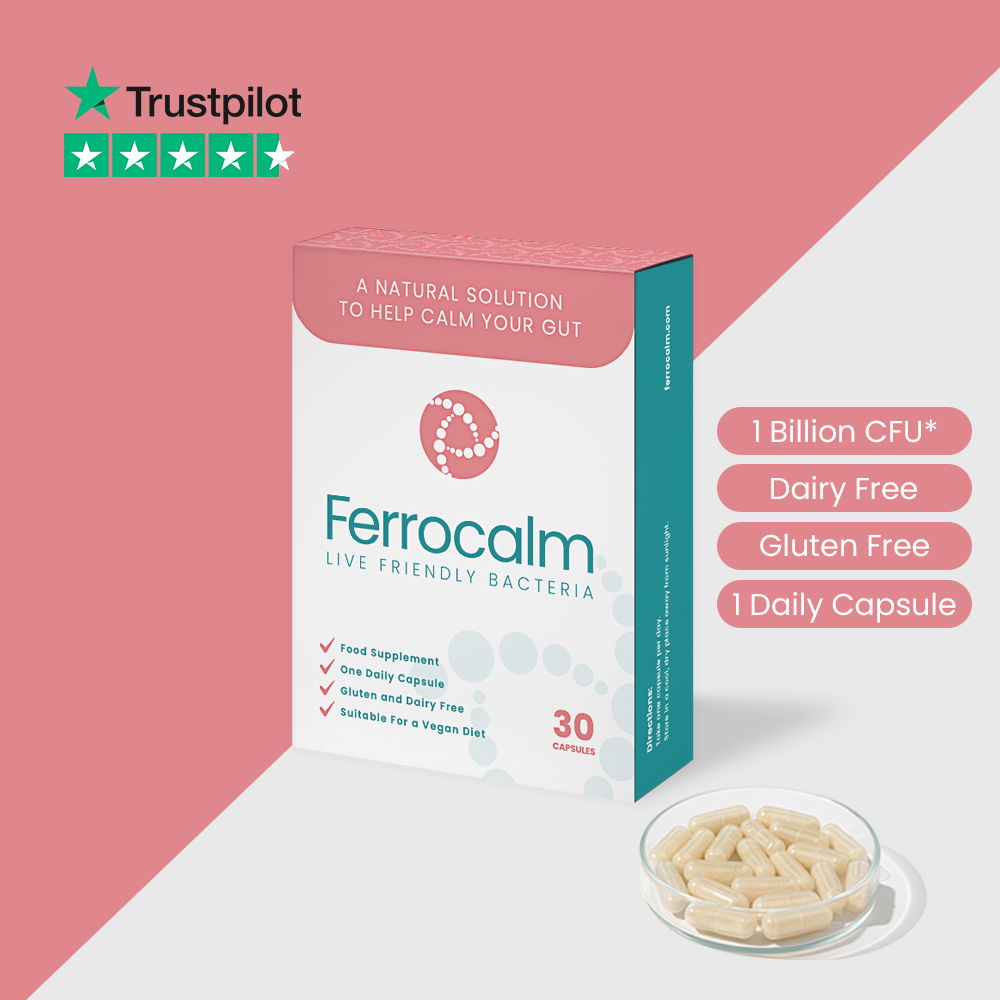
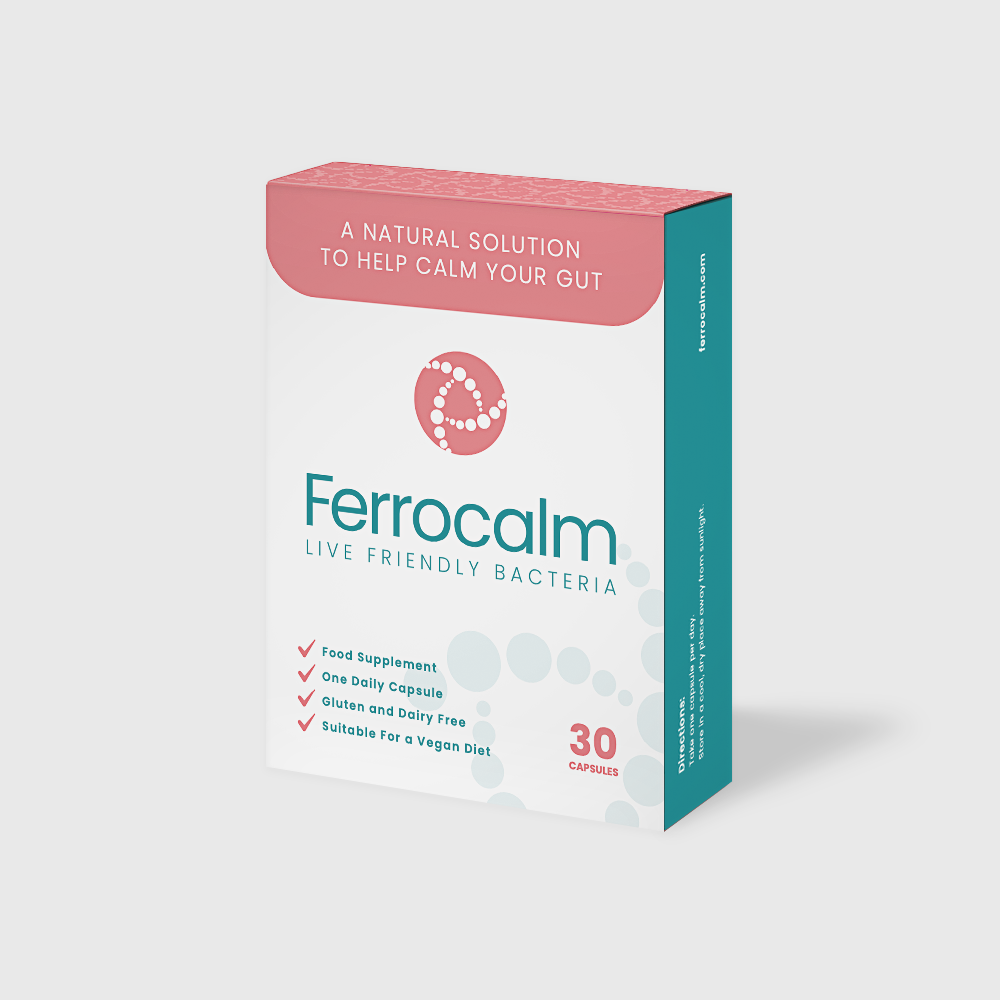
- Incorporating Ferrocalm into your diet
- Each Ferrocalm capsule contains 1 billion CFU (colony forming units) of our patented friendly bacteria, Streptococcus thermophilus FX856.
- FX856 was identified over 10 years’ research and development by experts in gut health at the University of Bristol.
- Unlike most probiotics, FX856 can survive and thrive in an environment where iron levels are high, as they are during stress or an active flare-up of a gut condition. This means that FX856 can help to calm a stressed or troubled gut, right when help is needed the most.
Remember, while probiotics can be helpful, they should be part of a comprehensive approach to managing IBS, including a balanced vegan diet, stress management, and regular exercise. 19. Keep a food and symptom diary Keeping a food and symptom diary is crucial for managing your vegan IBS diet. It helps identify patterns between your diet and digestive issues. Record everything you eat and drink, including portion sizes and preparation methods. Note the time, duration, and severity of symptoms experienced. Include stress levels and any medications taken. Be specific and detailed in your entries. After 2-3 weeks, review your diary to identify potential trigger foods and patterns. This information can guide your dietary choices and help you work more effectively with your registered dietitian to manage your IBS symptoms while following a plant-based diet. Benefits of tracking food and symptoms Tracking food and symptoms offers valuable insights into your vegan IBS diet. It helps identify trigger foods, understand symptom patterns, and supports better communication with healthcare providers. By consistently recording your intake and experiences, you can make informed decisions about your diet and lifestyle. This practice also increases awareness of eating habits and potential stress-related triggers, leading to more effective management of IBS symptoms while maintaining a plant-based diet. What to include in your diary When keeping a food and symptom diary for your vegan IBS diet, include:
- Detailed food and drink descriptions, including ingredients and preparation methods
- Portion sizes and meal times
- Symptom occurrence, duration, and severity
- Stress levels and mood
- Medications and supplements taken
- Physical activity
- Sleep patterns
- Bowel movements (frequency and consistency)
- Be as specific as possible to help identify patterns and potential triggers in your plant-based diet.
- Using the diary to identify triggers
- To identify triggers in your vegan IBS diet using your food and symptom diary:
- Look for patterns between specific foods and symptom occurrences
- Consider the timing of symptoms in relation to meals
- Analyse the impact of portion sizes on digestive comfort
- Assess the influence of stress and other lifestyle factors
- Note any correlations between symptoms and specific plant-based proteins or high-fibre foods
By carefully reviewing your diary, you can pinpoint potential trigger foods and make informed decisions about your diet to better manage IBS symptoms while maintaining a plant-based lifestyle. 21. Work with a registered dietitian Collaborating with a registered dietitian can significantly improve your vegan IBS diet management. These professionals offer personalised guidance tailored to your specific needs and symptoms. A dietitian can help you identify trigger foods, create meal plans, and ensure proper nutrient intake while following a plant-based diet. They can also guide you through the low FODMAP diet, a proven approach for managing IBS symptoms. When seeking a dietitian, look for one experienced in both vegan nutrition and IBS management. During consultations, expect a comprehensive assessment of your diet, lifestyle, and symptoms, followed by tailored recommendations to optimise your vegan IBS diet. 21. Review these Q&As and take The Gut Quiz! Managing IBS while following a vegan diet can be challenging, but with the right approach, it's entirely possible to maintain a balanced and enjoyable lifestyle. The 21 tips outlined in this article provide a comprehensive guide to help you navigate your vegan IBS journey. From choosing low FODMAP plant-based proteins to practising mindful eating, these strategies offer practical solutions to minimise symptoms and optimise your gut health. Remember, everyone's experience with IBS is unique, so it's crucial to personalise these tips to your specific needs. Consistency and patience are key when implementing these dietary and lifestyle changes. Keep track of your progress and don't hesitate to seek professional guidance when needed. To get a better understanding of your gut health, take our Gut Quiz to discover your personal profile. By combining these strategies with a positive mindset, you can take control of your IBS symptoms while staying true to your vegan values, leading to improved overall well-being and a more comfortable daily life. ## FAQs Q: How can I manage my IBS while following a vegan diet? A: Managing IBS on a vegan diet can be effective if you:
- Maintain a food diary to identify and avoid trigger foods.
- Consult your GP about adopting a low-FODMAP diet.
- Understand and manage your gluten intake.
- Establish healthy eating habits.
- Implement relaxation and stress-reduction techniques.
Q: What vegan snacks are suitable for someone with IBS? A: For vegan IBS-friendly snacking, opt for nuts and seeds like almonds, peanuts, walnuts, pecans, chia, and sunflower seeds, keeping an eye on serving sizes. You can create a nutritious trail mix by combining these with dried shredded coconut and vegan dark chocolate chips. Q: What are the best sources of vegan protein for someone with IBS? A: Some excellent low FODMAP vegan protein sources include:
- Firm tofu, which is made by curdling and pressing soy milk into blocks.
- Tempeh, a fermented soy product.
- Soy milk derived from soy protein.
- Quorn Mince, a meat substitute.
- Canned lentils, chickpeas, and other legumes.
- A variety of nuts and seeds.
- Certain grains that are IBS-friendly.
Q: How can a vegan with IBS increase their protein intake? A: To boost protein intake while managing IBS, you can:
- Substitute white rice with brown rice, which has more protein.
- Use quinoa, which is a good source of protein.
- Incorporate seeds and nuts into your meals.
- Choose plant-based, high-protein yogurts.
- Add small amounts of plant-based cheese (up to 40g), to your meals.